The liver performs several essential functions, including processing nutrients, producing bile, helping with blood clotting and removing waste products from the body. When the liver becomes severely damaged and can no longer perform these functions adequately, a liver transplant may become a life-saving treatment option.
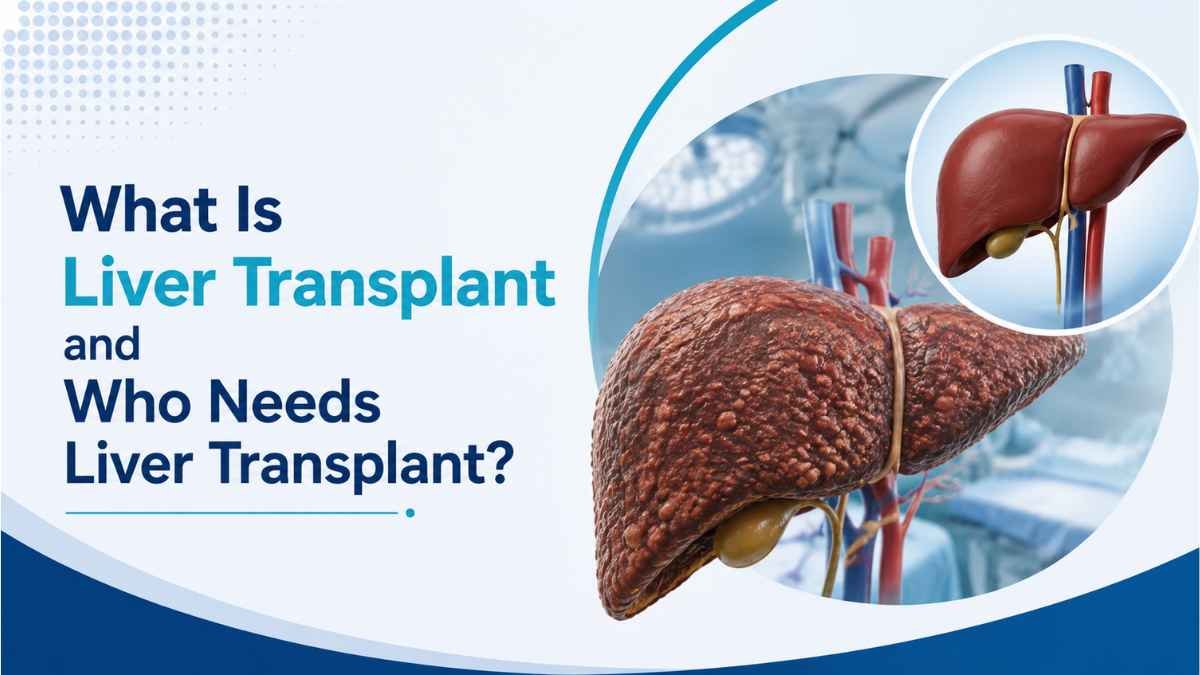
A liver transplant is a major surgical procedure in which a diseased or severely damaged liver is removed and replaced with a healthy liver or a suitable portion of a liver from a donor. Depending on the source of the organ, transplantation can be performed using a living donor or a deceased donor.
What is a liver transplant?
A liver transplant involves removing the recipient's diseased liver and replacing it with a functioning liver graft. There are two broad sources of liver grafts:
- Living Donor Liver Transplant: A suitable living donor provides a portion of their liver for transplantation. The donor's remaining liver can regenerate over time.
- Deceased Donor Liver Transplant: A suitable liver is recovered from a person who has been declared dead according to accepted medical and legal criteria, following the required consent and organ-donation process.
Liver transplantation is technically complex and requires a specialised multidisciplinary team. The duration of surgery can vary depending on the patient's condition and the complexity of the procedure.
Who needs a liver transplant?
Not every person with liver disease requires transplantation. It is generally considered when the liver is severely damaged, liver failure has developed, or a particular liver condition is unlikely to be adequately managed with other treatments.
Some of the important situations where transplantation may be considered include the following.
1. Decompensated liver cirrhosis
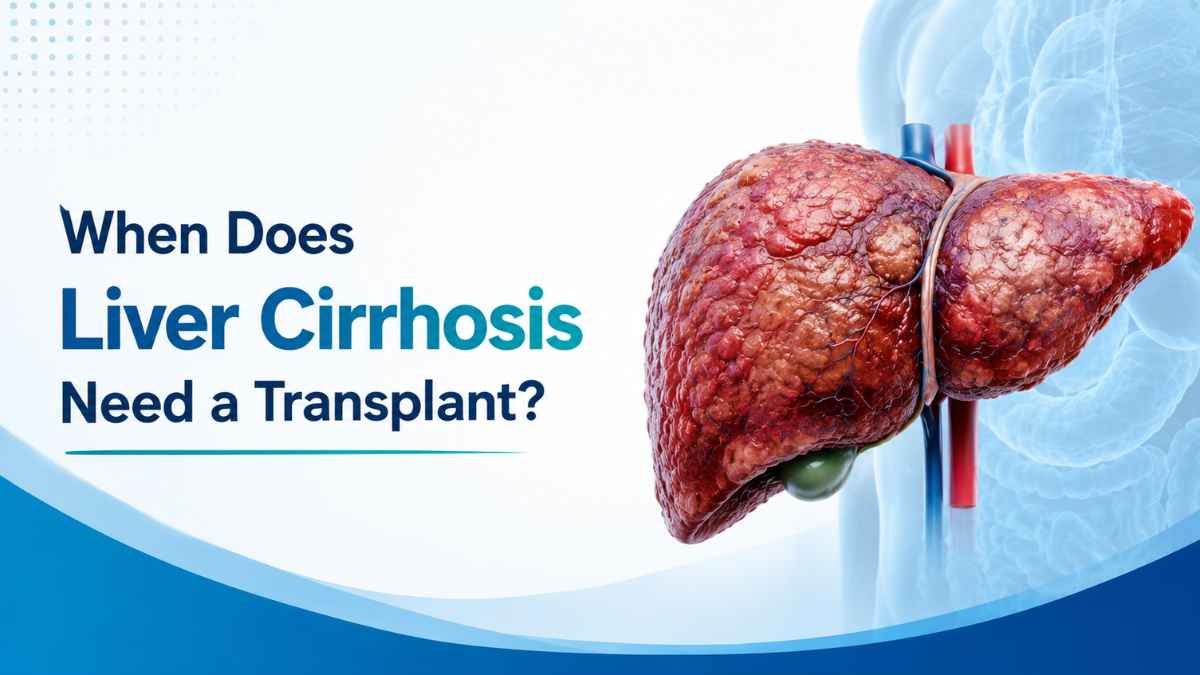
Cirrhosis occurs when long-term liver damage causes permanent scarring and affects normal liver function. In its advanced stage, a patient may develop complications known as decompensated cirrhosis. Possible complications include:
- Fluid accumulation in the abdomen, known as ascites
- Infection of ascitic fluid
- Bleeding from enlarged veins in the food pipe or stomach
- Jaundice
- Fluid around the lungs related to advanced liver disease
- Liver-related kidney dysfunction
- Episodes of confusion or altered consciousness due to hepatic encephalopathy
When cirrhosis becomes decompensated, the patient should be evaluated by a liver specialist and transplant team to determine whether transplantation is appropriate.
2. High liver disease severity scores
Doctors use established scoring systems to assess the severity of advanced liver disease and estimate the urgency of transplantation.
The Child-Turcotte-Pugh (CTP) score and MELD score are commonly used tools in appropriate patients. These scores consider clinical findings and laboratory parameters to assess the severity of liver dysfunction.
A high score may indicate advanced disease and the need for transplant evaluation. However, transplantation decisions are not based on a single number. The patient's overall health, complications, age, other medical conditions and transplant suitability are also considered.
3. Selected liver cancers
Liver transplantation can be a treatment option for certain patients with liver cancer, particularly when the cancer remains within the liver and meets accepted transplant criteria.
Transplantation can remove both the tumour and the underlying diseased liver. However, not every patient with liver cancer is eligible. Tumour size, number, location, spread outside the liver and the patient's overall health are among the factors considered by the transplant team.
4. Acute liver failure
Sometimes, a person with previously normal or relatively healthy liver function can develop acute liver failure within a short period. This can happen due to several causes, including certain infections, drug-related injury and other conditions.
Some patients with acute liver failure may recover with intensive medical treatment. In selected cases where the liver is unlikely to recover and the patient meets established criteria, an urgent liver transplant may be required.
5. Certain genetic and metabolic disorders
Liver transplantation is not limited to patients with cirrhosis. Some inherited or metabolic disorders can cause severe liver dysfunction or produce toxic substances that affect other organs. Conditions such as Wilson disease and certain metabolic disorders may require transplantation in selected advanced cases.
In some disorders, replacing the diseased liver can correct the underlying liver-related metabolic problem.
6. Severe complications despite medical treatment
A transplant may also be considered when a patient's liver disease continues to cause serious, recurrent complications despite appropriate medical management.
The decision is individualised. Doctors assess whether transplantation can improve survival and quality of life and whether the patient is medically suitable for the procedure.
How is a liver transplant decision made?
A patient is not accepted for transplantation based only on the diagnosis of liver disease. A detailed transplant assessment is performed before the procedure.
The evaluation may include blood tests, imaging, heart and lung assessment, infection screening, nutritional assessment and evaluation of other medical conditions. The transplant team also assesses whether the patient is physically and psychologically prepared for the surgery and long-term follow-up.
For living donor transplantation, the donor undergoes a separate and extensive evaluation to ensure that donation can be performed safely.
Why early liver transplant evaluation matters
Patients with advanced liver disease may sometimes delay consultation until complications become severe. Early evaluation can help the medical team understand the progression of the disease and determine whether transplant planning should begin.
It also provides time to investigate potential living donors, complete necessary testing and address medical issues that could affect transplantation.
If you or a family member has advanced cirrhosis, recurrent complications, liver cancer or sudden liver failure, discussing the condition with an experienced transplant team can help identify the appropriate treatment pathway.
Liver transplant in Gurgaon
For patients looking for a Liver Transplant Surgeon in Gurgaon, choosing a centre with experienced hepatobiliary and transplant specialists is important. Liver transplantation involves complex surgery as well as long-term medical care before and after transplantation.
Dr. Sanjay Kumar Yadav is a Hepato-Pancreatic-Biliary and Liver Transplant Surgeon in Gurgaonwith more than 10 years of experience in HPB and liver transplant surgery. He holds an MS (AIIMS, New Delhi) in General Surgery and Fellowship in Hepatobiliary & Liver Transplantation, and serves as a Senior Consultant at Gutwell and Narayana Hospital, Gurgaon. He has experience in managing complex hepatobiliary and liver transplant cases.
Disclaimer: This content is for general educational purposes only and is not a substitute for professional medical advice, diagnosis, or treatment. Please consult a qualified doctor about your individual condition. No specific outcome is guaranteed.