The two questions every family asks first: what does it cost, and what happens step by step. Here are honest answers.
Living donor, deceased donor, ABO-incompatible or swap — each involves different preparation and planning.
How sick the liver is, and whether there are complications, affects ICU time and overall care.
Length of stay in ICU and ward is one of the biggest variables in the final cost.
Anti-rejection and supportive medicines during and after transplant form part of the cost.
For living donation, the donor's evaluation and surgery are also part of the overall package.
Regular follow-up, tests and monitoring after discharge protect your investment in recovery.
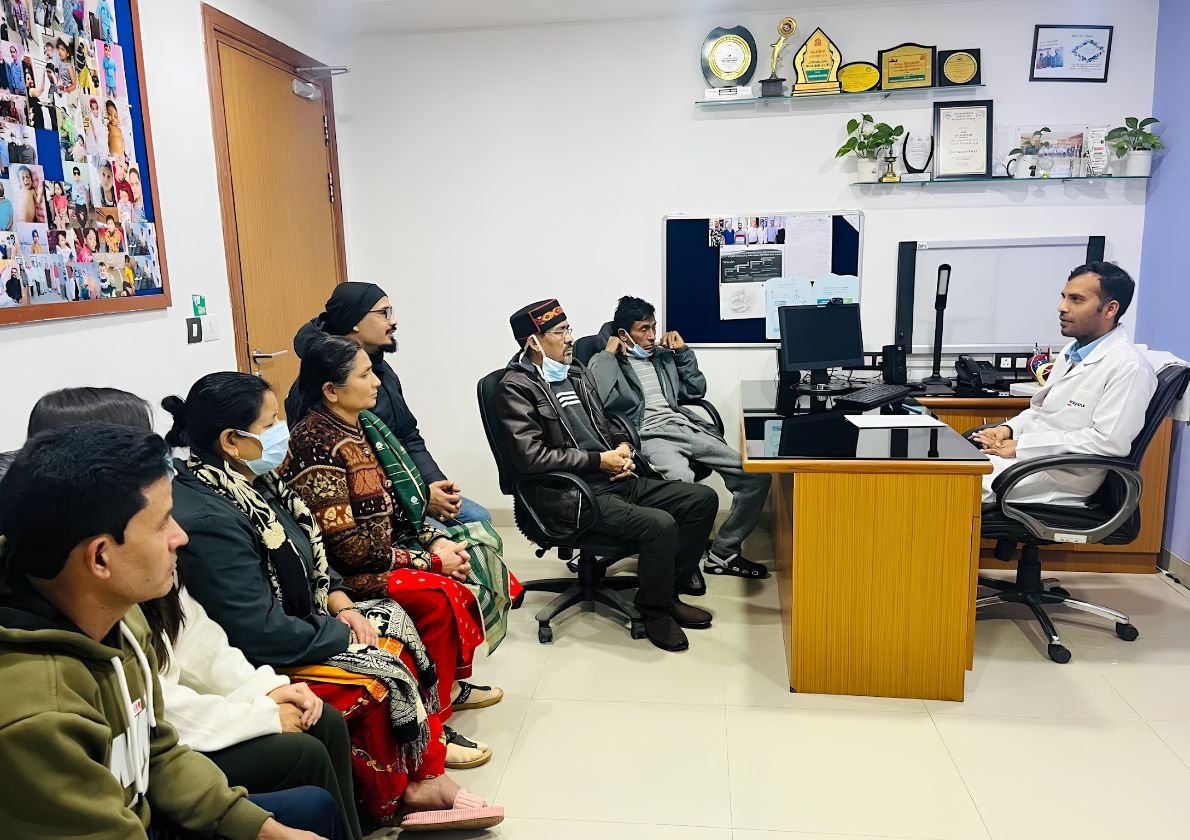
Meet Dr. Yadav at the OPD (or over video). He reviews your history and reports and tells you honestly whether a transplant is needed.
Tests to assess the patient's fitness for transplant and, for living donation, evaluation of a willing near-relative donor.
Choosing the right type of transplant, completing legal and hospital approvals, and preparing patient and donor.
The transplant is performed by an experienced team, with the donor's safety (in LDLT) as a first priority.
Close monitoring in ICU followed by ward care, with the family kept informed at each stage.
Medication, diet and activity guidance, plus a structured follow-up plan — including remote follow-up for outstation patients.
If you are in Patna, Bihar, eastern India or abroad, you don't have to travel just to ask questions. Start with a video consultation and a report review. You will get a clear picture of the process and an indicative estimate before making any travel plans.
The cost of a liver transplant varies from patient to patient. It depends on the type of transplant, the patient's condition and complications, length of ICU and hospital stay, and post-operative medicines. Rather than a misleading single figure, Dr. Yadav's team gives you a clear, itemised estimate for your specific case during consultation.
Because every patient is different. A stable patient with a fit living donor may need a shorter, more predictable stay, while a critically ill patient may need longer ICU care. The type of transplant (living, deceased, ABO-incompatible) also affects preparation costs.
Many health insurance policies and some government schemes cover liver transplantation, subject to their terms. The clinic team can guide you on documentation and pre-authorisation. Always check the specific terms of your policy.
Yes. Outstation families can share reports over WhatsApp and take a video consultation. After reviewing your case, the team can give you an indicative estimate and explain the process before you plan any travel.
Share your reports and we'll explain the process and likely cost — clearly and without pressure.