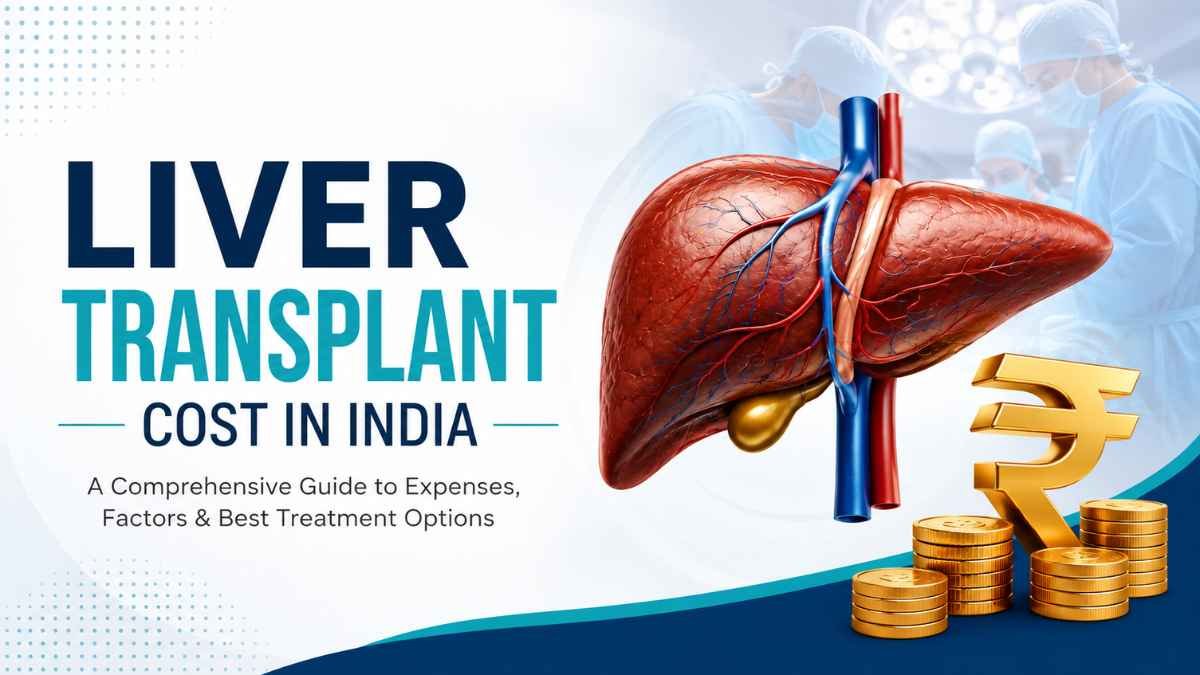
“How much does a liver transplant cost?” is almost always the first question a family asks. It is a fair question — and it deserves an honest answer rather than a flashy number designed to grab attention. The truth is that there is no single fixed price for a liver transplant, because no two patients are the same.
Instead of chasing a misleading figure, it helps to understand what actually drives the cost. Once you know the factors, you can have a transparent conversation with your surgeon and get a realistic estimate for your situation.
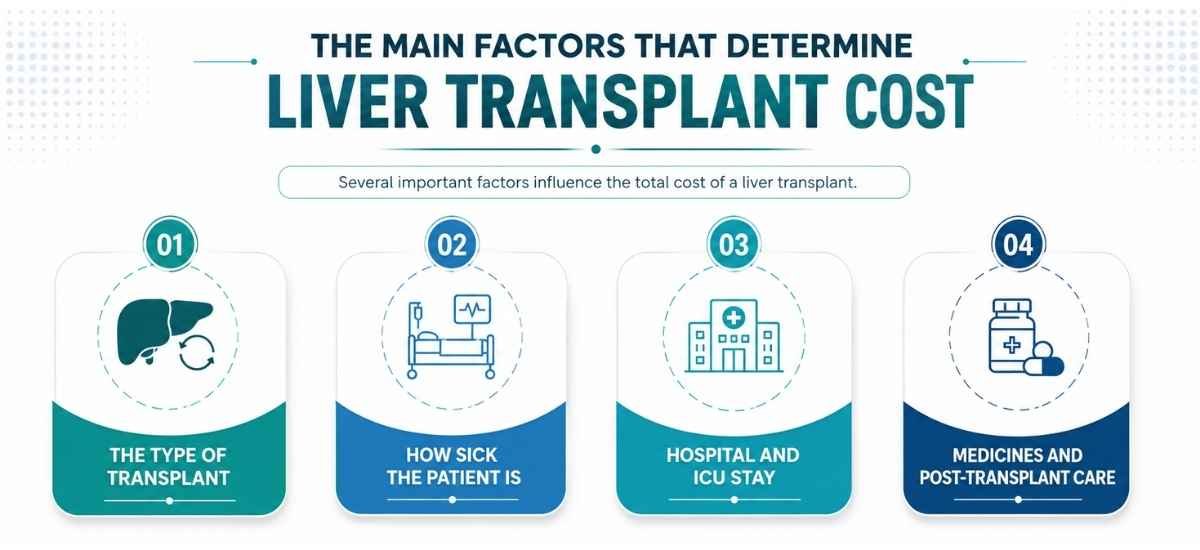
The main factors that determine liver transplant cost
1. The type of transplant
A living donor liver transplant (LDLT), a deceased donor transplant (DDLT), and an ABO-incompatible transplant each involve different preparation, planning and resources. For example, an ABO-incompatible transplant needs extra pre-transplant preparation.
2. How sick the patient is
A relatively stable patient may have a shorter, more predictable hospital stay. A critically ill patient may need longer ICU care and more support — which affects the overall cost.
3. Hospital and ICU stay
The length of time spent in ICU and in the ward is one of the biggest variables. Smooth recoveries cost less than complicated ones — which is exactly why an experienced surgical team matters.
4. Medicines and post-transplant care
Anti-rejection (immunosuppression) medicines and follow-up tests are an ongoing part of the picture, especially in the first months after transplant.
How to get a realistic estimate
The best way to know the likely cost for your family is to share the patient's reports and have them reviewed. For outstation families in Bihar, Patna or elsewhere, this can be done over WhatsApp and a video consultation — before you plan any travel.
- Keep recent blood tests (LFT, bilirubin, SGPT/SGOT) ready
- Keep ultrasound / CT / MRI reports handy
- Note down the current medicines and history
Does insurance help?
Many health insurance policies and some government schemes cover liver transplantation, subject to their terms. The clinic team can guide you on documentation and pre-authorisation. Always confirm the specifics of your own policy.
Medical disclaimer: This article is for general education and awareness only and is not a substitute for professional medical advice. Please consult a qualified doctor about your individual condition. No specific outcome is guaranteed.