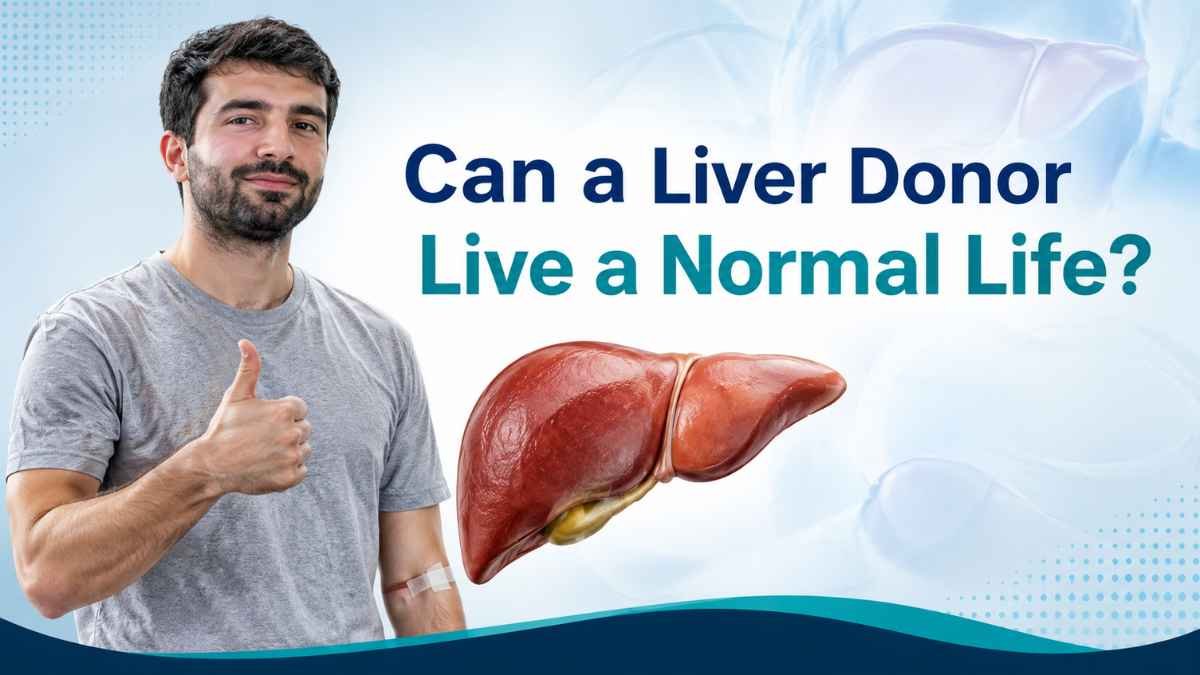
When a family first hears that a loved one needs a liver transplant, and that a relative may be able to donate part of their liver, one fear rises above all others: “Will the donor be okay? Can they live a normal life afterwards?” It is the right question to ask — and the honest answer is reassuring.
The liver is the only organ that regenerates
Unlike most organs, the liver has a remarkable ability to regrow. In a living donor liver transplant, a healthy donor gives a portion of their liver. Within a few weeks, both the donor's remaining liver and the transplanted portion grow back to close to their original size and function.
What recovery looks like for a donor
- Most donors are discharged from hospital within about a week.
- The liver regenerates over the following weeks.
- Most donors return to normal daily life and work within roughly 4–8 weeks.
Of course, donating is a major surgery, and like any surgery it carries some risk. That is precisely why donor safety comes first, and why a potential donor is accepted only after a thorough evaluation confirms it is safe for them.
Who can donate?
In India, living liver donation is legally permitted only for near-relatives (such as parents, children, siblings, spouse and grandparents), acting as genuine volunteers. Buying or selling organs is strictly illegal. You can read more on our donor eligibility & evaluation page.
The takeaway
A healthy, carefully evaluated living donor can expect to return to a full, normal life. Understanding this often helps families face the transplant journey with far less fear — and more hope.
Medical disclaimer: This article is for general education and awareness only and is not a substitute for professional medical advice. Please consult a qualified doctor about your individual condition. No specific outcome is guaranteed.