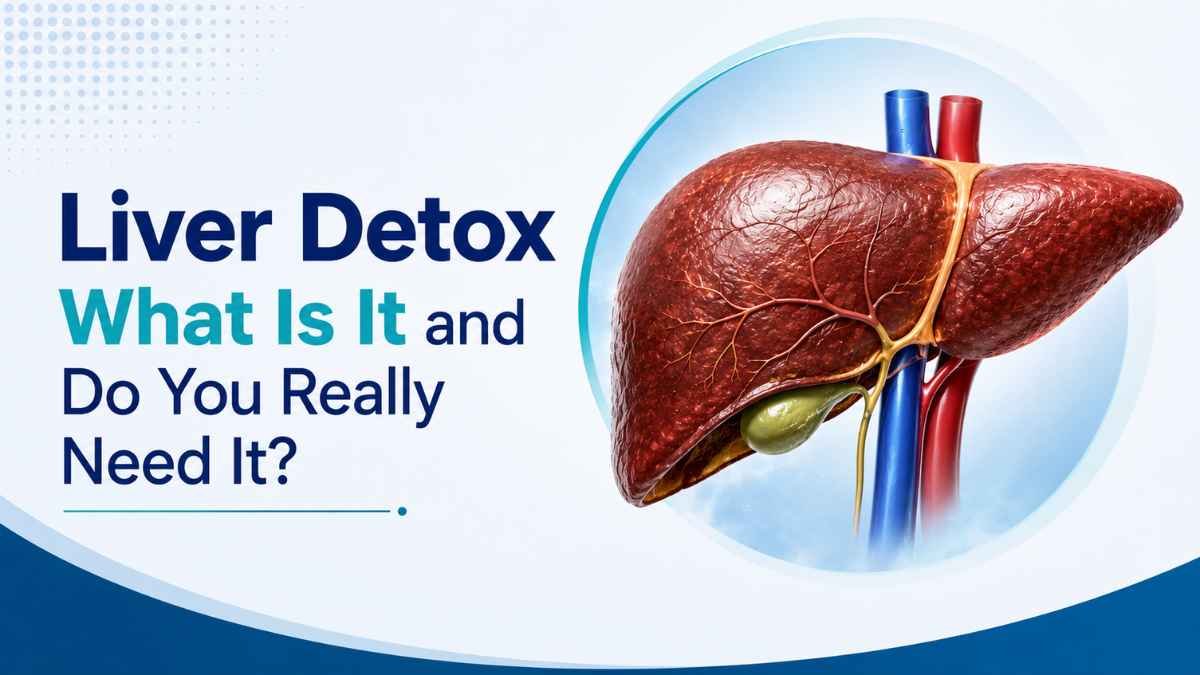
Liver detox is a term commonly used in advertisements for detox drinks, herbal teas, supplements, special diets and wellness products. But what does liver detox actually mean? Can a particular food or supplement “clean” your liver?
According to Dr. Sanjay Kumar Yadav, MS (AIIMS), Fellowship in Hepatobiliary & Liver Transplantation, the idea of needing an external liver detox is largely a marketing concept. Your liver already performs the body's natural detoxification processes every day.
What is liver detox?
The liver is one of the body's most important organs. It processes nutrients, helps metabolise medicines and other substances, produces bile for digestion and performs numerous functions that help maintain overall health.
When people search for what is liver detox, they are often looking for a diet, drink, medicine or supplement that can remove “toxins” from the liver.
However, there is no scientifically established detox diet, tea or supplement that can routinely “clean” or detoxify a healthy liver. The liver itself continuously processes and removes many potentially harmful substances from the body. Therefore, rather than looking for a quick liver detox solution, the focus should be on protecting liver health and preventing liver damage.
Does your liver need a detox?
For most healthy people, the answer is no. Your liver is already designed to carry out detoxification naturally.
Some products marketed as liver detox supplements may claim to cleanse the liver or reverse liver damage. However, these claims should be approached carefully. Supplements are not automatically safe simply because they are labelled “natural.” Certain herbal products and supplements have been associated with liver injury.
Taking unnecessary medicines or supplements in an attempt to protect the liver can sometimes do the opposite and cause harm. If you have an existing liver condition, unexplained abnormal liver tests, jaundice, abdominal swelling or other concerning symptoms, it is better to consult a qualified doctor rather than self-treating with a detox product.
How to keep your liver healthy
Instead of following a temporary liver detox program, adopting healthy habits can provide much greater long-term benefits.
1. Maintain a healthy weight
Being overweight or obese, particularly over a prolonged period, can increase the risk of metabolic dysfunction-associated steatotic liver disease (MASLD), commonly referred to as fatty liver disease. Maintaining a healthy weight through balanced nutrition and regular physical activity can support liver health.
2. Follow a balanced diet
A healthy, balanced diet is more useful for your liver than a short-term detox diet. Include nutritious foods such as fruits and vegetables, whole grains, legumes and pulses, fish and other healthy protein sources, and nuts and seeds in appropriate portions. At the same time, limit excessive intake of highly processed foods, sugary foods and junk food. There is no single food that can “detox” your liver — overall dietary patterns matter much more.
3. Avoid alcohol
Excessive alcohol consumption can damage the liver and contribute to conditions such as fatty liver disease, alcoholic hepatitis and cirrhosis. If you are concerned about your liver health, avoiding alcohol is an important step. People who already have alcohol-related liver disease may need complete abstinence and medical guidance.
4. Control diabetes and other health conditions
Metabolic conditions such as diabetes, obesity and high blood pressure can be associated with an increased risk of liver problems. Keeping these conditions under appropriate medical control can help reduce long-term health risks.
5. Avoid unnecessary medicines and supplements
One of the most important points about liver detox is understanding that more supplements do not necessarily mean better liver health. Do not take medicines, herbal products or supplements simply because they are advertised as liver cleansers or protectors. Some products can interact with medicines or, in certain cases, contribute to liver injury. Always discuss regular or long-term supplement use with your doctor, particularly if you already have liver disease.
6. Stay protected against viral hepatitis
Certain forms of viral hepatitis can cause significant liver damage. Vaccination is available for hepatitis A and hepatitis B, while prevention and medical advice are important for other forms of viral hepatitis. Whether vaccination is appropriate depends on your individual health, risk factors and medical history — your doctor can guide you about the vaccines you may need.
When should you see a liver specialist?
You should not rely on a liver detox product if you have symptoms or test results suggesting a liver problem. Consult a specialist if you experience persistent fatigue, yellowing of the eyes or skin, dark urine, unexplained abdominal swelling, persistent abdominal discomfort or abnormal liver function tests.
A Liver Specialist in Gurgaon can evaluate your symptoms, medical history and test results to determine whether further investigations or treatment are required. For patients with complex hepatobiliary conditions or advanced liver disease, consultation with a Liver Transplant Surgeon in Gurgaon may also be appropriate.
Dr. Sanjay Kumar Yadav is a Hepato-Pancreatic-Biliary and Liver Transplant Surgeon in Gurgaon, with qualifications including MS (AIIMS) and Fellowship in Hepatobiliary & Liver Transplantation. He is a Senior Consultant Surgeon at Gutwell and Narayana Hospital, Gurgaon, and provides evaluation and surgical care for patients with complex liver and hepatobiliary conditions.
Disclaimer: This content is for general educational purposes only and is not a substitute for professional medical advice, diagnosis, or treatment. Please consult a qualified doctor about your individual condition. No specific outcome is guaranteed.